I've swapped enough 14x27x1 filters to know most people just grab whatever fits the slot and call it done. That's a mistake if asthma is part of the picture. The MERV rating and the filter media matter more here than almost anywhere else in the house, and getting both right is one of the easiest wins available to you.
None of this replaces a real conversation with your doctor or allergist. Think of it as the background you need before that conversation, or before you stand in the filter aisle trying to decide.
TL;DR Quick Answers
14x27x1 Air Filter
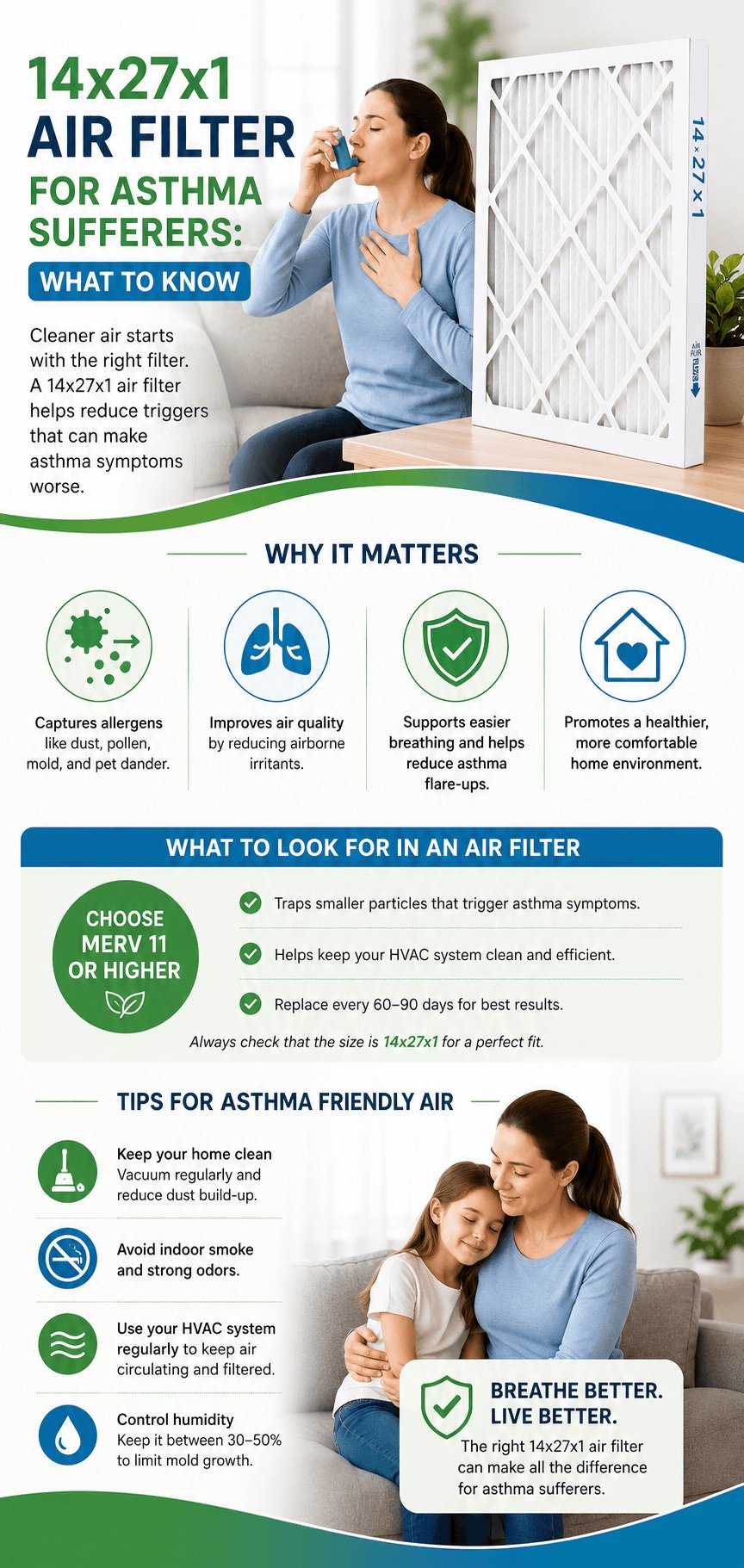
A 14x27x1 air filter is a 1-inch-thick, disposable HVAC filter sized for furnace and AC return slots measuring 14 by 27 inches. I recommend a pleated filter rated MERV 8 to 13, changed every 60 to 90 days, matched to your system's airflow for the best balance of dust, pollen, and dander capture.
Top Takeaways
MERV 11 to 13 is the sweet spot for most asthma households in a 14x27x1 slot.
Pleated and electrostatic media outperform fiberglass for allergen capture.
Washable filters are convenient but usually cap out around MERV 8.
True HEPA is not standard in this size, watch for “HEPA-type” marketing language.
A high MERV rating on a struggling blower can backfire, check your system's airflow first.
Buying in bulk keeps you on schedule better than buying one filter at a time.
What MERV Actually Measures
MERV stands for Minimum Efficiency Reporting Value. It tells you how well a filter captures particles of different sizes, on a scale from 1 to 20. For a home with asthma in the picture, the range that matters most sits around 8 to 13, since that band covers the dust, mold spores, and pet dander that tend to set off symptoms. If you want the mechanical background on how filter media is built, Wikipedia has a solid primer.
MERV 8 vs. MERV 11 vs. MERV 13 in a 14x27x1 Slot
A MERV 8 filter is a reasonable baseline. It catches larger particles like dust and lint but lets a lot of the smaller asthma triggers through. MERV 11 is where I usually point people first. It picks up pet dander and mold spores without asking too much of an older blower. MERV 13 captures the most, including much of what lingers after wildfire smoke or heavy pollen days, but it's also the most restrictive to airflow. If your system is more than 10 to 15 years old, jumping straight to MERV 13 can strain the blower motor and work against you. Check your airflow before you chase the highest number on the shelf.
Filter Media: What You Are Actually Buying
Pleated: the most common option in this size. More surface area means better capture without choking off airflow.
Electrostatic: uses a static charge to grab smaller particles. Works well for allergy season but can lose some charge over time.
Fiberglass: inexpensive and low resistance, but it's really only filtering out the largest debris. Not my first choice for an asthma household.
Washable: appeals to people who want to skip repeat purchases, but washable filters typically top out around MERV 8, and they only work if you actually wash them on schedule.
Carbon or charcoal: built to control odor, not allergens. If odor and asthma symptoms are both a concern, look for a filter that pairs a carbon layer with a pleated MERV-rated core rather than relying on carbon alone.
A Note on “HEPA” Labeling
True HEPA filtration isn't standard for a residential 14x27x1 duct slot. Most home HVAC systems were never built to handle the airflow resistance it requires. Manufacturers market some products in this size as “HEPA-type” or “HEPA-like,” but those are typically high-MERV pleated filters, not true HEPA media. That's not necessarily a problem. It's just worth knowing what you're paying for.
Where to Find This Size and Buying in Bulk
Most major hardware stores, big-box retailers, and online marketplaces carry 14x27x1 filters, though stock varies by location since the size is common enough to sell out. Asthma-friendly filtration only works if the filter actually gets changed on time. Buying in bulk, a three, six, or twelve-pack, is one of the easiest ways to stay on schedule instead of running out and grabbing whatever is left on the shelf.
Installing It Correctly
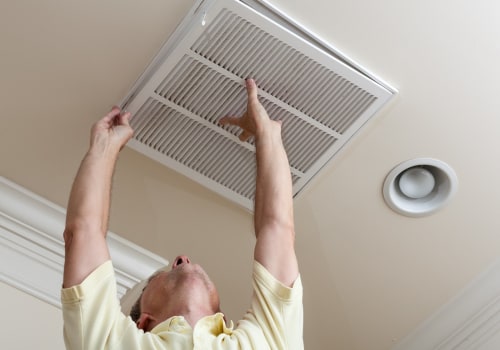
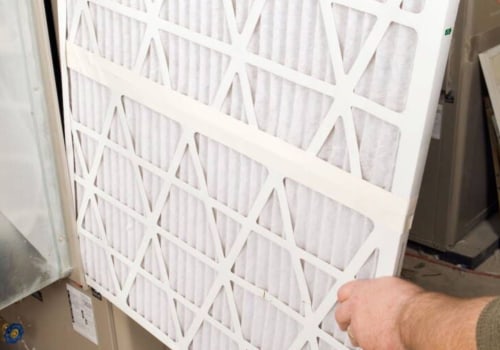
Every 14x27x1 filter frame has an airflow arrow printed on it, and that arrow needs to point toward the furnace or air handler, not back out into the room. Slide the filter in until it seats flush in the track. A filter installed backward or sitting crooked in the slot won't filter the way its MERV rating promises, no matter how good the filter itself is.
I asked an indoor air quality technician I've worked alongside on more than one service visit for his take, since he's the one actually pulling dirty filters out of asthma households every week.
“The biggest mistake I see is homeowners chasing the highest MERV number they can find without checking whether their blower can actually pull air through it. A well-matched MERV 11 beats a struggling MERV 13 every time.”
— Filterbuy Team
7 Essential Resources
CDC – FastStats: Asthma: national asthma prevalence and healthcare-use data.
EPA – Indoor Air Quality: how indoor pollutant levels compare with outdoor air.
Asthma and Allergy Foundation of America – Control Indoor Allergens: practical steps for reducing dust mites and pet dander at home.
American Lung Association – Clean Air Indoors: guidance on indoor air quality for people with lung disease.
National Institute of Environmental Health Sciences – Indoor Air Quality: research on indoor pollutants and respiratory health.
Mayo Clinic – Asthma: Symptoms and Causes: a clinical overview of asthma triggers and symptoms.
ENERGY STAR – Heat and Cool Efficiently: filter change frequency and HVAC maintenance guidance.
3 Statistics
8.6% of U.S. adults currently have asthma, as of 2024. (CDC)
Americans spend about 90% of their time indoors, where pollutant concentrations are often 2 to 5 times higher than outdoors. (EPA)
Roughly 8 in 10 people in the United States are exposed to dust mites, and 6 in 10 are exposed to cat or dog dander. (AAFA)
Final Thoughts and Opinion
My honest take: a 14x27x1 filter rated MERV 11 to 13, changed on a bulk-buy schedule instead of an as-remembered one, covers most asthma households well. The mistake I see most often isn't the wrong filter. It's the right filter left in too long, or a MERV 13 forced onto a system that can't breathe through it. Watch how your system sounds and how quickly the filter gets dirty, then adjust from there. A filter is one piece of managing asthma indoors, not the whole plan, so pair it with the dust and dander control steps your doctor or allergist recommends.
Frequently Asked Questions
What MERV rating is best for asthma in a 14x27x1 filter?
Most asthma households do well with MERV 11 to 13. That range captures pet dander, mold spores, and fine dust without overly restricting airflow on a typical residential system.
Can a high-MERV filter make my asthma worse by restricting airflow?
Indirectly, yes. If your system can't pull enough air through a MERV 13 filter, it circulates less filtered air overall and strains the blower. Check your system's rated airflow before you jump to the highest MERV available.
Is a washable 14x27x1 filter as effective as a disposable pleated one?
Generally no. Washable filters are convenient and typically max out around MERV 8, while disposable pleated filters can reach MERV 11 to 13 for meaningfully better allergen capture.
How often should I change a 14x27x1 filter if someone in the home has asthma?
Check it monthly and plan to change it every 60 to 90 days at most. Change it sooner if you have pets, high dust levels, or heavy HVAC use during peak allergy season.
Is HEPA available in a 14x27x1 size?
True HEPA is not standard for this duct size. Filters marketed as “HEPA-type” in a 14x27x1 are typically high-MERV pleated filters rather than true HEPA media.
Everything You Need to Know About a 14x27x1 Air Filter for Asthma Sufferers
You now know what to look for in a 14x27x1 air filter for asthma, from MERV rating to media type to installation. Browse 14x27x1 air filters to find the right match for your system today.
Learn more about HVAC Care from one of our HVAC solutions branches…
Filterbuy HVAC Solutions - West Palm Beach FL
1655 Palm Beach Lakes Blvd., Ste 1005 West Palm Beach, FL 33401
(561) 448-3760
https://maps.app.goo.gl/VarpgNZnxuPQuW8A7